• Health benefits of folate and L-Methylfolate

    Health benefits of folate and L-Methylfolate

    Health benefits of folate and L-Methylfolate folate was first discovered by scientist Lucy wills in 1931. He found that beer yeast (an extract rich in folate) can reverse anemia during pregnancy. It was not until 1943 that scientists were able to separate pure folate and finally synthesize it into folic acid in the laboratory.

    Learn More
  • Health Benefits of Folic Acid and L-Methylfolate

    Health Benefits of Folic Acid and L-Methylfolate

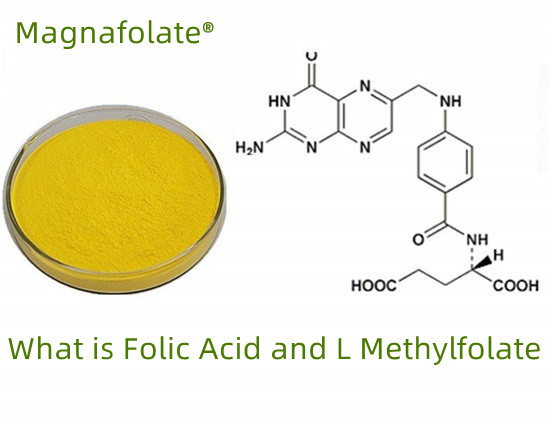
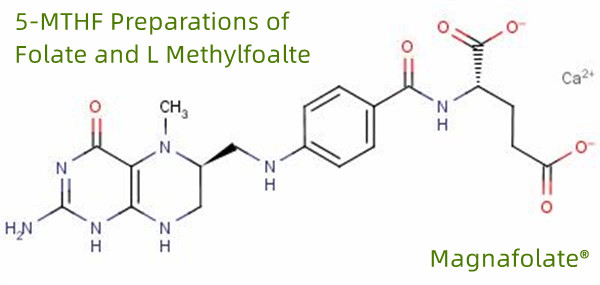
    Health Benefits of Folic Acid and L-Methylfolate Folic acid is a synthetic form of folate, also known as vitamin B9. Dietary supplements containing 5-MTHF, the form that's used by the body, are also available. Folate is a component of many foods, and supplementation is recommended as a treatment for health conditions that are linked to a folate deficiency. Its most common use is to promote the healthy development of the nervous system during pregnancy.

    Learn More
  • What are the symptoms of folic acid deficiency

    What are the symptoms of folic acid deficiency

    What are the symptoms of folic acid deficiency Early signs of folic acid deficiency can be subtle and often undiagnosed. Signs and symptoms of folic acid deficiency may include:

    Learn More
  • What is folic acid deficiency?

    What is folic acid deficiency?

    What is folic acid deficiency? Folic acid deficiency is a deficiency of vitamin B9 (folic acid). Folic acid is a water-soluble vitamin that can only be taken into the body through food and supplements. The body uses folic acid to make and repair DNA (genetic material in cells) and produce red blood cells, which carry oxygen throughout the body.

    Learn More
  • Summary of folate and L-Methylfolate

    Summary of folate and L-Methylfolate

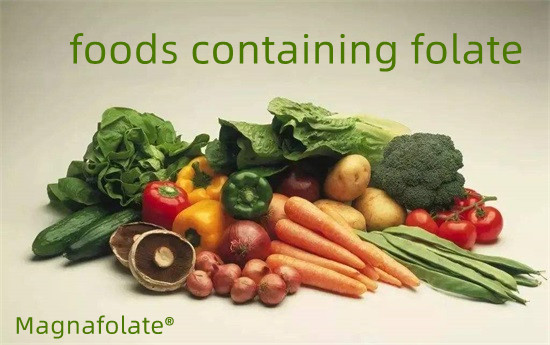
    Summary of folate and L-Methylfolate Folate, a B vitamin, is essential for building the body's genetic material. Many foods naturally contain folate, especially green leafy vegetables. Many manufacturers also use folic acid, a synthetic form of folate, to fortify cereals and grains. In addition, folic acid is provided as a supplement.

    Learn More
  • Supplemental source of folic acid and L-Methylfolate

    Supplemental source of folic acid and L-Methylfolate

    Supplemental source of folic acid and L-Methylfolate Although researchers once thought folic acid was more easily absorbed than folate, they now know that its metabolism is very slow. In addition, most of the folic acid you consume will remain metabolized and linger in the system. There are also concerns that the excessive accumulation of unmetabolized folic acid may promote tumor growth, although this has not been clearly confirmed.

    Learn More
<...5758596061...100>
Let's talk

We're Here to Help

Contact Us
 

展开
TOP